
Constructing your dream home with MDS Homes in South East Idaho is more than selecting the right fixtures and finishes. It’s about understanding every element that goes into your home, starting from the foundation and upwards. One of the significant decisions homeowners face is choosing between TJIs (Trus Joist I-Beams) and Floor Trusses for their new homes’ construction. But which option is best for your Idaho home? Let’s dig deeper into these popular building choices.
Understanding TJIs and Floor Trusses
Firstly, let’s understand what TJIs and Floor Trusses are. They both serve as the structural backbone of your flooring system, maintaining the stability and integrity of your home.
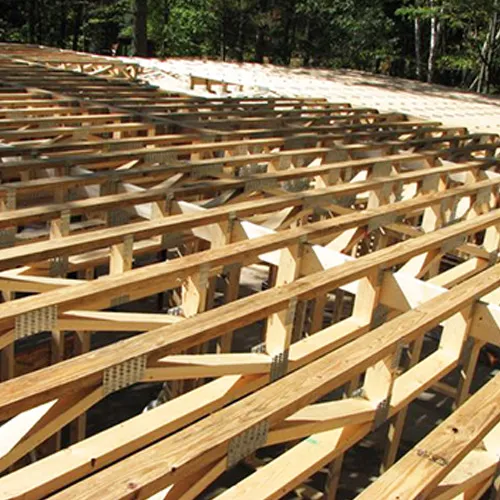
TJIs, or Trus Joist I-Beams, are made from high-grade engineered wood, providing a durable and reliable choice for homeowners. On the other hand, Floor Trusses, built with a series of triangle web configurations, offer robust support and flexibility.
However, the benefits of each aren’t limited to the above. Let’s analyze TJIs and Floor Trusses, considering various factors like cost, design flexibility, installation, and more.
Detailed Comparison
- Design Flexibility: One of the significant advantages of Floor Trusses is their design flexibility. With the ability to span longer distances without requiring intermediate bearing, floor trusses offer an edge in complex or large-scale home projects. The open-web design also allows easy installation of HVAC, plumbing, and electrical systems, offering a clean and unobstructed view in your basement. Conversely, TJIs, although adaptable, might necessitate additional framing members for larger spans, making the design process slightly more complicated.
- Ease of Installation: TJIs have an edge in this department. They are lighter, simpler to handle and can be installed more quickly. Floor trusses, though providing a clean underfloor view, require more time and care in installation due to their bulkier size and complexity.
- Cost: Both TJIs and Floor Trusses have unique cost considerations. TJIs have a lower upfront cost and are quicker to install, which can reduce labor costs. However, the need for additional framing members and blocking in more complex designs may raise the overall cost. On the other hand, while floor trusses may carry a higher initial cost, their long-term value is often seen in easier and cost-effective installation of mechanical systems, fewer callbacks due to fewer floor squeaks, and higher resale value due to their superior design.
- Soundproofing: Both options are competent in offering soundproofing. However, floor trusses may have an upper hand here. The open-web design of floor trusses can reduce sound transmission more effectively than TJIs, providing a quieter and more comfortable living space.
- Structural Performance: Structural performance is paramount in building a home, and both TJIs and Floor Trusses excel in this area. TJIs, made from engineered wood, have a high strength-to-weight ratio and are resistant to bowing, twisting, or shrinking. Floor trusses, with their triangular web design, offer superior strength and stability. They can withstand heavy loads without sagging, an essential factor for long-lasting homes.
When it comes to deciding between TJIs and Floor Trusses for your South East Idaho home, there’s no one-size-fits-all solution. Both options have their unique strengths and potential downsides, making the choice a matter of individual preference and project-specific requirements.
At MDS Homes, we understand the complexities of home-building, and our team of experienced professionals is ready to make your dream home come to life.
